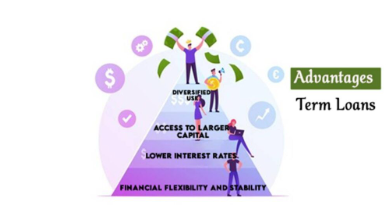
A term loan is a type of loan provided for a specified period, either short-term or long-term. Financial institutions offer these loans with the condition that they be repaid in fixed monthly installments (EMIs) along with interest. Term loans are available at both fixed and floating interest rates and typically have a repayment tenure ranging from 12 to 60 months. Common types of term loans include personal loans, business loan, auto loans, education loans, home loans, gold loans, and loans for businesses.
Term Loan Definition
Term loans are often granted to small businesses with a predetermined repayment schedule and loan amount. The interest rates on these loans can be either fixed or variable. While most term loans have a maximum tenure of five years, some can extend up to ten years.
These loans are not available to individuals but are specifically designed for businesses to meet their financial needs. Term loans offer multiple benefits, including minimal documentation requirements, quick fund disbursement, and flexible repayment options.
Types of Term Loans
Businesses can choose from different types of term loan based on factors such as
| Type of Loan | Tenure | Purpose | Interest Rate | Collateral |
| Short-Term Loan | 1–2 years | Working capital, daily expenses | High | Usually No |
| Medium-Term Loan | 2–5 years | Asset repair, expansion | Moderate | Sometimes |
| Long-Term Loan | 5+ years | Large investments, property | Low (secured) / High (unsecured) | Usually Yes |
1. Short-Term Loans
Short-term loans have a maximum duration of two years, typically ranging between one and two years. Businesses primarily use these loans for day-to-day operational needs or to meet working capital requirements. Short-term loans can be obtained from various sources, such as commercial banks, trade credits, and discounting bills.
These loans generally have higher interest rates due to their shorter repayment periods. Some short-term loans require weekly repayment schedules. Businesses considering a short-term loan should be aware of the higher interest rates and potential penalties for missed payments.
2. Medium-Term Loans
Medium-term loans have a tenure of two to five years, serving as a hybrid between short-term and long-term loans. Businesses often use these loans for renovating or repairing fixed assets, such as showroom renovations. The interest rates for medium-term loans are higher than those of long-term loans but involve a simpler application process.
3. Long-Term Loans
Long-term loans typically have tenures exceeding five years, with some extending up to 30 years, depending on the type of loan. Due to their higher cost and associated risk, most long-term loans require collateral. Examples of long-term loans include home loans, car loans, and property-based loans. Secured long-term loans have lower interest rates, while unsecured long-term loans have higher interest rates due to increased risk.
Benefits of Term Loans
| Benefit | Description |
| Working Capital Availability | Helps in smooth business operations |
| Affordable Financing | Cost-effective borrowing option |
| Tax Benefits | Interest payments are tax-deductible |
| Flexibility | Customizable loan terms |
| Business Control | No equity dilution |
| Minimal Eligibility | Easy approval with basic documents |
How Does a Term Loan Work?
Term loans are convenient for businesses due to their pre-determined loan values, repayment schedules, and interest rates. Understanding how a term loan works involves knowing key aspects such as:
- Loan Value – The loan amount is fixed and depends on the borrower’s eligibility.
- Interest Rate – The borrower can choose between fixed and variable interest rates.
- Loan Tenure – The repayment period is pre-defined.
- Repayment Schedule – Borrowers must pay the loan in EMIs as per the agreed schedule.
- Secured vs. Unsecured Loans – Secured loans have lower interest rates due to collateral requirements, while unsecured loans carry higher rates due to increased risk.
Key Facts About Term Loans
- There are three types of term loans: short-term, medium-term, and long-term.
- Small and medium-sized businesses use term loans for expansion and working capital needs.
- Timely repayment of term loans improves a borrower’s creditworthiness.
- Term loans help finance new projects and meet immediate financial goals.
- Borrowers can choose between secured and unsecured term loans based on their eligibility and loan requirements.
- Borrowers can repay term loans before the due date without penalties.
Calculating Term Loan EMI
For example, suppose a businessman wants to borrow Rs. 30 lakh to purchase machinery for business expansion. After submitting the required documents, the bank assesses his eligibility and approves a maximum loan amount of Rs. 20 lakh.
The bank then provides the loan terms, including interest rates and tenure. If the loan tenure is six years, the repayment schedule would be as follows:
- Number of EMIs: 6 years × 12 months = 72 EMIs.
- The EMI amount depends on the loan’s interest rate and the bank’s amortization plan.
- The borrower can repay the loan in full before the tenure ends if they have the funds available.
- A term loan EMI calculator can help borrowers determine their monthly installment.
Term Loan Documents and Eligibility
Eligibility Criteria:
| Criteria / Document | Requirement |
| Experience | Minimum 1 year |
| Turnover | ₹5 crore+ (ITR required) |
| Business Proof | Registration certificate |
| Identity Proof | PAN & Aadhaar |
| Bank Statement | Last 6 month |
Documents Required:
- Proof of business registration.
- KYC documents for the applicant and the organization.
- Bank statements for the last six months.
- PAN card of the promoter.
- Aadhaar card of the promoter.
Term Loan vs Other Financing Options
| Feature | Term Loan | Overdraft | Credit Card |
| Interest Rate | Moderate | High | Very High |
| Tenure | Fixed | Flexible | Short-term |
| Usage | Business growth | Emergency | Small expenses |
Conclusion
Term loans serve as a reliable financial solution for businesses seeking capital for expansion, asset acquisition, or operational needs. With flexible repayment options, tax benefits, and negotiable terms, these loans offer businesses the financial support they require. Whether short-term, medium-term, or long-term, term loans provide tailored solutions based on business needs and repayment capacity. Understanding the loan structure, eligibility, and benefits can help businesses make informed borrowing decisions and ensure smooth financial management.