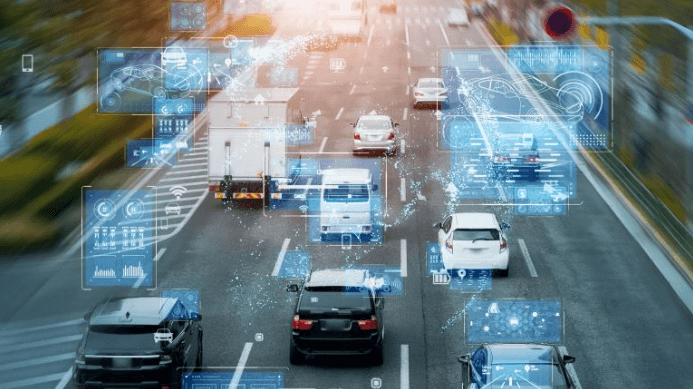
Efficient traffic movement is essential for businesses, residential communities, industrial facilities, healthcare campuses, and commercial properties. Long queues at entrances and exits not only frustrate drivers but can also reduce productivity, create safety concerns, and negatively impact the overall visitor experience. As vehicle volumes continue to grow, property owners are increasingly turning to automated entry systems to streamline access while maintaining strong security.
Why Traffic Congestion Happens at Entry Points
Vehicle congestion often begins at access points where drivers must stop to verify credentials, collect tickets, or wait for manual approval. During peak hours, even a short delay per vehicle can quickly result in long lines and increased wait times.
Common causes of entry bottlenecks include:
- Manual security checks
- Slow ticket dispensing systems
- High visitor traffic during busy periods
- Inconsistent access procedures
- Limited staffing at gates
Automating these processes significantly reduces delays while ensuring authorized vehicles can enter quickly and efficiently.
The Advantages of Automated Entry Systems
Modern entry automation combines hardware and intelligent software to manage vehicle access with minimal human intervention. Instead of relying on guards to manually verify every vehicle, automated systems process entries almost instantly using credentials such as access cards, key fobs, license plate recognition, or mobile applications.
This faster verification process keeps vehicles moving while maintaining strict control over who enters the property. The result is smoother traffic flow, improved convenience, and better operational efficiency.
Reducing Wait Times During Peak Hours
Morning arrivals, employee shift changes, delivery schedules, and special events often create heavy traffic at facility entrances. Automated entry systems help distribute vehicle movement more efficiently by processing each vehicle consistently and quickly.
Rather than creating long queues, vehicles pass through the entrance with minimal interruption. This not only improves driver satisfaction but also reduces fuel consumption caused by idling vehicles waiting to enter.
For facilities that experience daily traffic surges, these time savings quickly add up, improving overall site operations.
Enhancing Safety While Maintaining Security
Improving traffic flow should never come at the expense of security. Automated entry systems provide both speed and protection by verifying credentials before granting access.
Many systems maintain detailed access logs that record entry times, authorized users, and vehicle information. Security teams can review these records whenever necessary while reducing the possibility of human error associated with manual recordkeeping.
Automated barriers also help prevent unauthorized vehicles from entering restricted areas without requiring constant supervision.
Supporting Multiple Types of Facilities
Automated entry technology can be adapted to meet the needs of many different environments, including:
- Corporate office campuses
- Apartment and condominium communities
- Industrial manufacturing facilities
- Hospitals and healthcare centers
- Universities and schools
- Distribution warehouses
- Commercial parking facilities
Each location has unique traffic patterns, but automated access solutions provide flexible configurations that improve efficiency regardless of property size.
Integrating Smart Parking Solutions
Many organizations combine entry automation with intelligent parking management systems for even greater efficiency. A well-designed parking garage gate allows authorized vehicles to enter quickly while helping operators monitor occupancy, manage visitor access, and reduce unnecessary congestion.
When integrated with cameras, sensors, payment systems, or license plate recognition, these solutions create a seamless experience from arrival to departure.
Lower Operating Costs Over Time
Although automated entry systems require an initial investment, they often produce significant long-term savings. Reduced staffing requirements, fewer delays, lower maintenance associated with manual equipment, and improved operational efficiency all contribute to a positive return on investment.
Businesses also benefit from improved productivity because employees, visitors, and delivery vehicles spend less time waiting to enter the property.
Preparing for Future Growth
As facilities expand, traffic demands naturally increase. Automated entry systems offer scalable solutions that can grow alongside an organization without requiring complete infrastructure replacement.
Additional access lanes, upgraded authentication methods, cloud-based management platforms, and advanced analytics can all be incorporated as operational needs evolve. This flexibility helps property owners future-proof their access control investments while continuing to deliver efficient traffic management.
Conclusion
Efficient vehicle access is no longer simply a matter of convenience—it has become an essential component of modern facility management. Automated entry systems minimize congestion, improve security, reduce operational costs, and create a better experience for employees, visitors, and residents alike.
By investing in intelligent access technology, organizations can eliminate unnecessary delays, maintain secure entry points, and keep traffic moving smoothly even during the busiest periods. A well-planned automated entry system delivers lasting value by combining convenience, reliability, and security into one comprehensive traffic management solution.