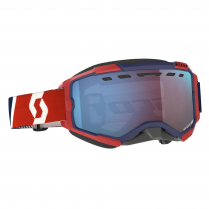
Picture the moment your vision becomes dark. You are moving fast down a packed trail, the cold air pulling tears across your face, and the inside of your lens turns grey. You cannot see the next bend. You cannot judge the dip ahead. These are the snowmobile goggles Canada riders count on, and right now they show you nothing.
That blind second is where bad things happen, and it usually starts with gear that the cold has quietly worn down. Deep winter does not just chill your hands. It attacks the foam, the strap, and the lens of your snowmobile goggles, often before you notice. Here is what cold does to each part, and how snowmobile goggles Canada riders trust can make it through the season.
Why Extreme Cold is Hard on Snowmobile Goggles in Canada
Riding piles windchill on top of an already low temperature. A still morning at minus 20 turns far colder once you reach trail speed. The air then hits your face and goggles without pause, for as long as you ride. The longer you stay out, the more that steady cold works on every part of the goggle, not just your skin.
Canadian riders deal with this for months, across open prairie and out on frozen lakes. Even the rule books treat the sport as its own case. Ski goggles follow the EN 174 standard, while snowmobile eye protection sits under a separate one, EN 13178. That split exists because riding pushes the gear harder than the slopes do. Clear sight matters most at speed, where even a brief patch of grey leaves you guessing at the trail ahead.
See also: A Complete Guide to Buying Wholesale Polo Shirts for Businesses
How Cold Hits Foam in Snowmobile Goggles Across Canada
The foam around the frame does two jobs. It cushions your face, and it seals out the wind. That same foam soaks up sweat and the moisture in your breath.
On a cold ride, the trapped moisture cools fast and can freeze inside the foam. Frozen foam loses its give. It stops pressing evenly against your face, and gaps open at the edges. Cold air slips through, mixes with the warm air inside, and the lens fogs. Colder air holds less moisture before it turns to water on a lens, so fog forms more easily as the temperature drops. Foam that soaks and freezes night after night can also pull away from the frame, which shortens the life of the goggles. A warm, dry inner lens fogs much less than a cold, damp one.
Straps That Stiffen and Snap in the Cold
A goggle strap stretches for a reason. It holds tension to keep the seal tight against your helmet or face. Cold takes some of that stretch away.
The elastic webbing and silicone grip lines stiffen, and the strap holds less tension than it did indoors. Buckles and clips face the same trouble, since hard plastic gets more brittle as it cools. A clip that flexes fine at home can crack when you adjust it with thick gloves at minus 25. Set your strap tension before you head out, while the material is still warm and easy to move. A strap that has gone stiff on the trail is hard to fix with cold fingers, and forcing a brittle clip is how it snaps.
Lens Cracking and What Really Causes It
Here, the common worry is mostly wrong. Quality polycarbonate, the material in most snow lenses, keeps its toughness in normal winter cold. It holds up across a wide band, roughly minus 40 to 120 degrees, and stays impact-resistant rather than turning fragile.
Polycarbonate only approaches its brittle point around minus 40, where a hard blow can cause it to crack or shatter. Most rides sit warmer than that, so cold by itself rarely splits a good lens. The bigger risk is impact in deep cold: a branch or chunk of ice meeting a lens that’s already near its limit. Damage you cause yourself matters more still. Scratches create weak points, and harsh cleaners or solvents can quietly ruin polycarbonate, weakening it long before any impact. A scratched, chemically stressed lens cracks far sooner than a clean one. Give your lens a close look before the season starts, and retire one that carries deep scratches rather than trust it on a hard ride.
How to Keep Goggles Clear and Intact in Deep Cold
Most cold-weather goggle problems trace back to moisture and rough handling. A few habits keep your vision clear and the lens in one piece.
- Choose a double lens. Two lenses with a sealed air gap keep the inner surface warmer, which cuts the fog you get from the temperature difference.
- Balance the vents and the seal so a little cold air flows through without flooding the inside.
- Keep your face covered below the goggle, not tucked inside it. Sending your breath up into the goggle is the fastest way to fog it.
- Once your goggles are on and clear, leave them on. Putting cold goggles over a warm, damp face fogs them almost at once.
- Dry the foam fully between rides, and store the goggles flat and away from a heat vent.
- Clean the lens gently with a soft cloth and water, never paper towel or solvent.
- Refresh the anti-fog treatment when the factory coating fades after a few seasons.
On a long trip, a spare lens saves you from riding home behind a crack you cannot fix on the trail