Competitive gaming has never stood still. What began with local multiplayer matches and console tournaments has evolved into a global industry watched by millions. Now, another major shift is underway. Cloud technology is transforming how players compete, how tournaments are delivered, and how fans experience esports, reducing reliance on expensive hardware while opening competitive gaming to a much wider audience. Industry analysts increasingly see cloud gaming and platform convergence as central to the next phase of growth.
The End of Hardware Barriers
For years, competitive gaming has been closely tied to owning the latest console or a high-performance gaming PC. That model has created barriers for aspiring players, particularly as hardware prices continue to rise.
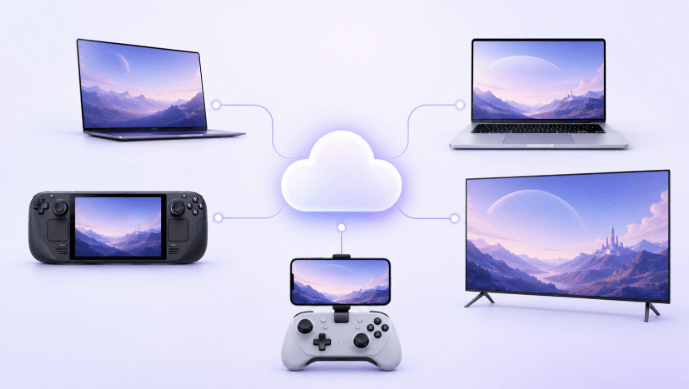
Cloud gaming changes this equation by running games on powerful remote servers while streaming gameplay directly to the player. Instead of investing heavily in new equipment every few years, gamers can access demanding titles on a much broader range of devices, provided they have a stable internet connection. This hardware-agnostic approach is expected to make competitive gaming far more accessible over the coming decade.
Connectivity Becomes the New Competitive Advantage
As processing shifts into the cloud, internet performance becomes increasingly important. Low latency, consistent speeds, and reliable connections have a direct impact on reaction times and overall gameplay quality.
For players seeking dependable performance, choosing high-quality fiber internet providers in Los Angeles can help deliver the fast, stable connectivity that cloud gaming platforms and competitive multiplayer experiences increasingly demand.
Cross-Platform Competition Expands
One of the biggest advantages of cloud infrastructure is its ability to remove platform limitations.
Instead of separating communities across consoles, PCs and mobile devices, cloud services allow more players to access the same competitive ecosystem regardless of the hardware they own. As cross-platform gaming continues to mature, tournaments can attract larger player pools while giving organizers greater flexibility when designing competitions.
Faster Tournament Delivery
Cloud infrastructure also changes how esports events are organized.
Tournament operators can deploy servers more efficiently across different regions, helping reduce latency while making international competitions more accessible. Cloud-based infrastructure also allows organizers to scale resources during major events without investing in permanent hardware that may only be used a few times each year.
This flexibility supports everything from grassroots online tournaments to global championships with millions of viewers.
AI and Cloud Working Together
Artificial intelligence is increasingly becoming part of the competitive gaming ecosystem.
Cloud-powered AI can assist with anti-cheat systems, player matchmaking, performance analysis, and automated production tools for live broadcasts. Coaches and players are also beginning to use AI-powered analytics to identify strategic improvements and review gameplay more efficiently than traditional manual analysis.
Better Experiences for Spectators
Competitive gaming is no longer just about the players.
Cloud computing enables richer broadcasts through real-time statistics, multiple viewing angles, interactive overlays and personalized viewing experiences. Broadcasters can process huge amounts of live data in real time, creating more engaging content for audiences while helping commentators explain complex strategies more effectively.
As streaming technology continues to improve, spectators are likely to enjoy increasingly immersive tournament coverage.
Lower Costs for New Competitors
Cloud gaming has the potential to reduce the financial barriers that often discourage talented players from entering competitive gaming.
Rather than purchasing premium gaming hardware immediately, newcomers can begin competing using existing devices while still accessing high-performance gameplay through cloud services. This wider accessibility could help uncover new talent from regions that have historically had fewer opportunities to participate in major esports competitions.
A Truly Global Competitive Scene
As cloud infrastructure expands internationally, more regions can host competitive events with reliable server performance.
Instead of concentrating tournaments in a handful of established gaming markets, organizers may be able to support more regional competitions while maintaining consistent player experiences. This creates opportunities for local talent to compete on a larger stage without extensive travel.
Challenges Still to Overcome
Cloud gaming is not without its challenges.
Latency remains critical in highly competitive titles, and not every region has access to the reliable broadband required for seamless gameplay. Internet outages, network congestion, and inconsistent infrastructure can still affect performance, particularly in fast-paced esports where milliseconds matter.
As broadband networks continue to improve, however, many of these limitations are expected to become less significant.
The Future of Competitive Gaming
The next era of esports is unlikely to replace consoles or gaming PCs entirely. Instead, cloud gaming will expand the ways people compete, allowing more players to participate while giving organizers greater flexibility and audiences richer viewing experiences.
Rather than focusing solely on increasingly powerful hardware, competitive gaming is moving towards an ecosystem where connectivity, accessibility and cloud infrastructure play equally important roles. As technology continues to evolve, success will increasingly depend not just on the device in front of the player, but on the digital infrastructure powering the experience behind the scenes.