

Suffering an amputation injury is one of the most life-altering experiences a person can endure. Whether caused by a workplace accident, a car collision, medical negligence, or a traumatic event, losing a limb affects every aspect of your life—physically, emotionally, and financially. In such circumstances, consulting an experienced amputation injury lawyer in Chicago is crucial. A skilled attorney can help you understand your rights, guide you through the complex legal system, and secure the compensation necessary to rebuild your life.
In this comprehensive guide, we’ll cover everything from the causes and consequences of amputation injuries to the steps for choosing the right lawyer and filing a personal injury claim in Chicago.
What Is an Amputation Injury?
An amputation injury occurs when a limb or part of a limb is removed due to trauma, medical intervention, or accident. These injuries can be classified into:
- Traumatic amputations: Sudden, often catastrophic injuries resulting from accidents such as industrial machinery accidents, severe burns, or car crashes.
- Surgical amputations: Performed due to medical necessity, sometimes arising from medical malpractice if proper procedures were not followed.
Regardless of the cause, amputations result in significant lifestyle changes and require long-term rehabilitation, medical care, and emotional support.
Common Causes of Amputation Injuries in Chicago
Amputation injuries can happen in various ways. The most common causes include:
- Workplace Accidents – Jobs involving heavy machinery, construction, or manufacturing carry a higher risk of traumatic amputations. Failure to follow safety protocols can lead to severe injury.
- Car Accidents – High-speed collisions or accidents involving pedestrians and motorcycles can result in serious limb loss.
- Medical Negligence – Surgical errors, misdiagnoses, or delayed treatments can unnecessarily lead to amputation.
- Traumatic Injuries – Falls, severe burns, explosions, or other accidents can cause immediate limb loss.
- Health Conditions – Diseases like diabetes or vascular disorders, if untreated, may require surgical amputations.
Understanding the cause is critical because it helps establish liability, which is a key factor in any personal injury case.
The Physical and Emotional Impact of Amputation
The aftermath of losing a limb goes far beyond physical challenges. Individuals often face:
- Physical limitations: Difficulty walking, performing daily tasks, or returning to work.
- Chronic pain: Phantom limb pain and long-term discomfort can affect quality of life.
- Emotional trauma: Anxiety, depression, and post-traumatic stress disorder are common in amputation victims.
- Financial burden: The cost of surgeries, prosthetics, rehabilitation, and long-term care can be overwhelming.
Because these effects are often permanent, securing legal compensation is essential to cover medical costs and support life adjustments.
Why You Need an Amputation Injury Lawyer
Navigating an amputation injury claim without professional help is challenging. A knowledgeable lawyer can:
- Evaluate your case: Determine if you have grounds for a personal injury or medical malpractice claim.
- Collect evidence: Gather accident reports, medical records, and witness statements.
- Calculate damages: Include medical expenses, lost wages, future rehabilitation costs, and emotional suffering.
- Negotiate with insurers: Insurance companies often attempt to minimize payouts; your lawyer ensures fair compensation.
- Represent you in court: If negotiations fail, your lawyer will fight for your rights in court.
Having legal guidance can make a significant difference in achieving a successful outcome.
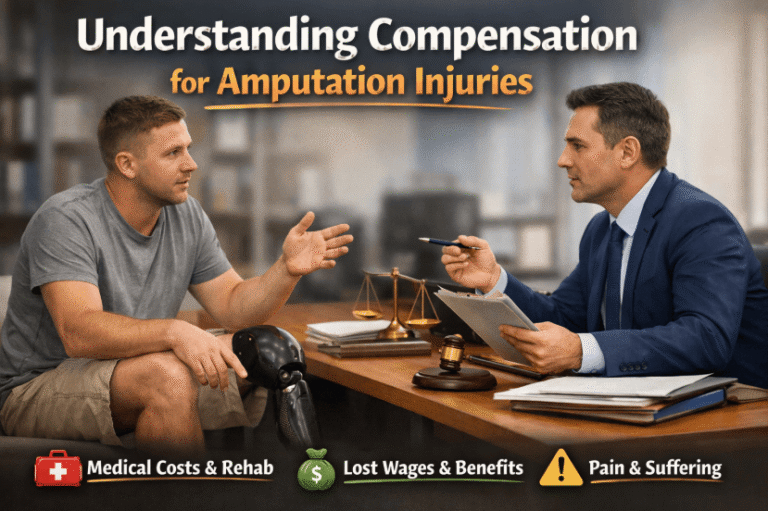
Understanding Compensation for Amputation Injuries
Victims in Chicago may be entitled to several forms of compensation, such as:
- Medical Expenses: Covers surgeries, hospital stays, prosthetics, medications, and rehabilitation.
- Lost Income: Compensation for wages lost during recovery or due to permanent disability.
- Pain and Suffering: Acknowledges the emotional and physical hardships endured.
- Loss of Quality of Life: For permanent disability or loss of mobility and independence.
- Punitive Damages: In cases involving intentional harm or gross negligence.
An experienced lawyer ensures all relevant damages are considered to maximize your claim.
Steps to Take After an Amputation Injury
If you or a loved one suffers an amputation, acting promptly can protect your rights:
- Seek Immediate Medical Care: Your health is the top priority.
- Document Everything: Take photos of injuries, preserve accident records, and keep medical reports.
- Avoid Early Settlements: Insurance companies may offer quick settlements that undervalue your claim.
- Consult a Lawyer Quickly: Contacting a Chicago amputation injury lawyer ensures that evidence is preserved and your case is handled correctly.
The sooner legal support is obtained, the stronger your case can be.
Choosing the Right Lawyer in Chicago
Not all lawyers specialize in amputation injuries. Consider these factors when choosing an attorney:
- Experience with catastrophic injuries and personal injury law.
- Proven track record of settlements and trial verdicts.
- Transparent fee structure: Many work on contingency, meaning you pay only if you win.
- Ability to handle insurance negotiations effectively.
- Compassion and dedication: Since amputation affects all areas of life, having a lawyer who understands your needs is vital.
A specialized attorney can ensure you receive both financial support and peace of mind.
Challenges in Amputation Injury Claims
Amputation claims can be complex due to:
- Insurance disputes: Insurers may try to reduce payouts or deny claims.
- Proving negligence: Especially difficult in medical malpractice or workplace cases.
- Valuing non-economic damages: Emotional trauma, long-term disability, and lifestyle changes require expert testimony.
- Time limits: Illinois law generally requires filing a claim within two years of the incident.
A skilled lawyer helps overcome these obstacles, ensuring your claim is strong and comprehensive.
See also: Using Chatbots for Business Growth
Medical Evidence and Expert Testimony

Medical evidence plays a crucial role in strengthening amputation injury claims. Your lawyer may consult:
- Surgeons and physicians to document injury severity and causation.
- Rehabilitation specialists to project long-term care costs.
- Vocational experts to assess lost earning potential.
- Psychologists or therapists to testify about emotional suffering.
Proper documentation helps prove both financial and emotional damages for a more favorable outcome.
Insurance Negotiations and Settlements
Many Chicago amputation claims are resolved through settlement. A skilled lawyer will:
- Review insurance policies to understand coverage.
- Negotiate aggressively to prevent lowball offers.
- Prepare for trial in case negotiations fail.
Settlements often provide faster compensation, but lawyers ensure you don’t settle for less than what you deserve.
When to Consider Litigation
If an insurer refuses fair compensation or negligence is disputed, litigation may be necessary. This process involves:
- Filing a lawsuit and initiating legal proceedings.
- Discovery, where both sides exchange evidence.
- Trial preparation, including witness testimony and expert analysis.
- Court verdict and possible appeals.
Although litigation takes longer, it can yield higher compensation, especially in severe or clear cases of negligence.
Preventing Amputation Injuries
While not all amputations are preventable, safety measures can reduce risks:
- Workplace safety protocols: Proper training, protective equipment, and machinery maintenance.
- Road safety awareness: Avoiding distracted driving and following traffic rules.
- Health monitoring: Managing conditions like diabetes or circulation problems to prevent medical amputations.
Prevention is critical, but legal action becomes necessary when accidents happen.
Conclusion
Experiencing an amputation injury is a life-changing event that brings significant challenges. From medical treatments to emotional and financial struggles, victims face many obstacles. In Chicago, consulting an experienced amputation injury lawyer ensures that victims receive the compensation they deserve and the guidance needed to rebuild their lives.
Whether caused by workplace accidents, car collisions, or medical negligence, taking immediate legal action can make all the difference. Protect your rights, secure proper compensation, and work toward a stable future by contacting a dedicated amputation injury lawyer in Chicago today.